

Gurnee Homeowner Resource
Gurnee Property Maintenance Rules for Grass and Landscaping
Gurnee property maintenance rules cover more than lawn height. The Village also addresses weeds, unhealthy or unsafe landscaping, litter and debris, outdoor storage, drainage conditions, and work performed in the public right of way. This guide focuses on the rules most likely to affect a residential yard.
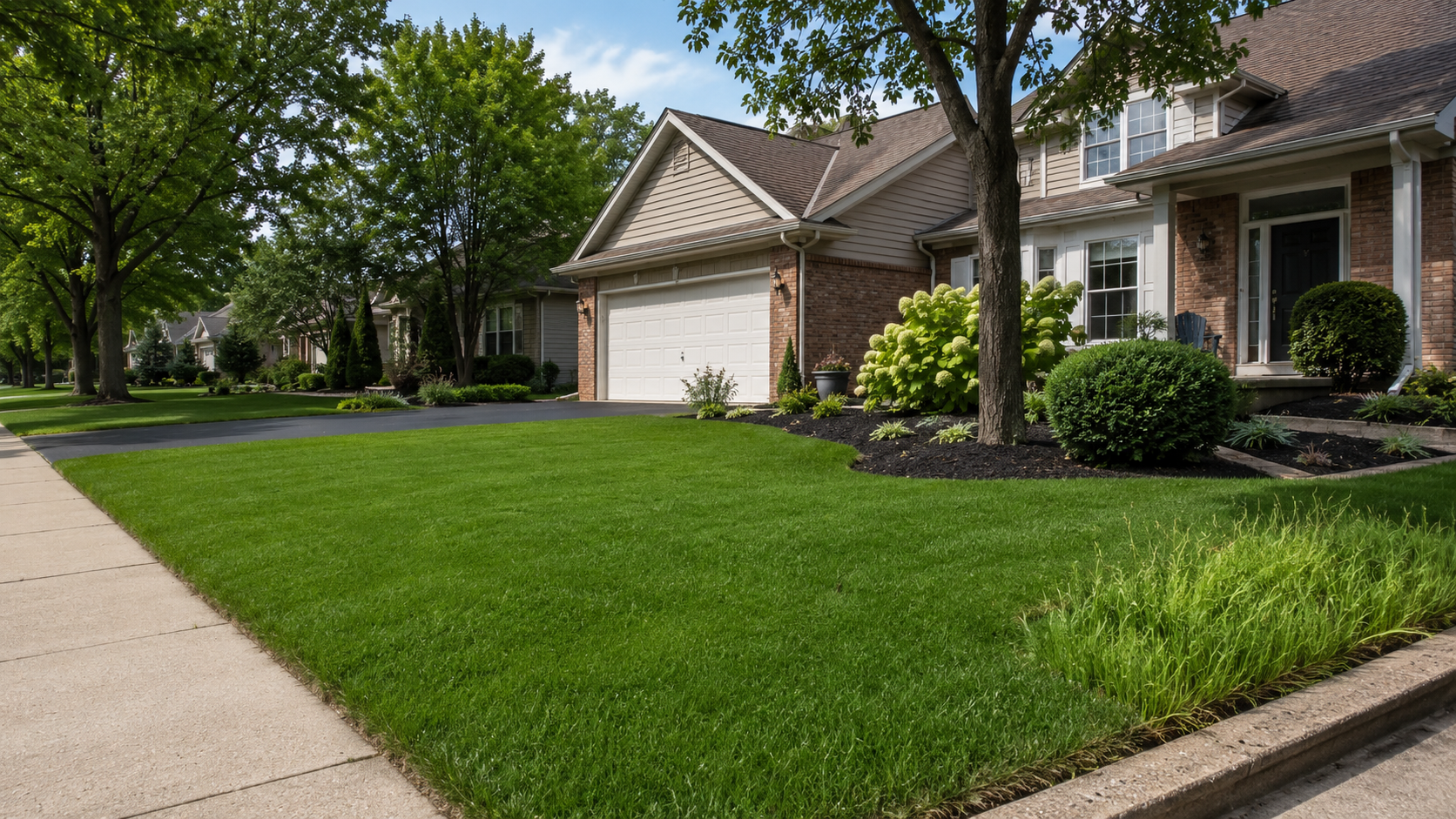
A Gurnee homeowner does not need to keep a lawn looking like a golf course. The Village is concerned with basic property maintenance, safety, nuisance conditions, and the condition of exterior property areas. The important distinction is between a yard that looks natural or imperfect and a property that crosses into a code issue.
The Village's Property Maintenance Code is administered through the Planning and Zoning Division. The local code enforcement page specifically lists tall grass or weeds over 8 inches, diseased or dangerous landscaping, litter, debris, excessive animal waste, flooding conditions, and several other exterior property issues.
Grass Height
How Tall Can Grass Get in Gurnee?
The Village of Gurnee lists tall grass or weeds in excess of 8 inches as a property maintenance issue.
That means the relevant code threshold is not whether the lawn looks slightly overgrown or whether a neighbor prefers a shorter mowing height. The published property maintenance standard specifically identifies growth above 8 inches.
Eight inches is a code enforcement threshold, not a lawn care target. Cool season residential turf should generally be maintained well below that height through normal mowing.
Weeds
Does the 8 Inch Rule Apply to Weeds Too?
Yes. The Village property maintenance page refers to tall grass or weeds in excess of 8 inches.
That does not mean every broadleaf weed in a lawn is automatically a violation. The published rule focuses on excessive height.
A lawn can contain dandelions, clover, plantain, or other common weeds without automatically becoming a code violation simply because those plants are present. The concern becomes stronger when vegetation is allowed to become excessively tall, unmanaged, dangerous, or otherwise falls under the Village's property maintenance standards.
Landscape Condition
What Landscaping Conditions Can Become a Code Issue?
The Village specifically lists landscaping that is diseased, damaged, dangerous, or uncultivated among the conditions covered by its property maintenance program.
The Village page does not provide a simple visual formula for every residential landscape. A complaint or inspection can involve the specific condition of the property, which is why homeowners should use the published categories rather than guessing based on appearance alone.
Naturalized Areas
Does a Natural Looking Landscape Automatically Violate Gurnee Code?
No. A yard does not become a violation simply because it includes native plants, taller ornamental grasses, pollinator plants, or a less formal planting style.
The distinction is whether the area is intentionally maintained landscaping or whether it has become uncultivated, dangerous, excessively weedy, or otherwise violates another property maintenance standard.
Defined beds, maintained edges, appropriate plant selection, and clear separation from turf can make a naturalized landscape easier to recognize as intentional landscaping rather than unmanaged growth.
Litter and Debris
Can Leaves, Branches, or Yard Debris Become a Property Maintenance Issue?
The Village property maintenance program specifically covers littered, debris covered, or trash covered property.
Normal seasonal leaf accumulation does not automatically mean a property is in violation. The issue becomes different when waste, branches, discarded material, or other debris is allowed to accumulate in a way that creates a nuisance or maintenance problem.
Gurnee also has a separate landscape waste collection program for leaves, grass clippings, brush, and other yard material. The regular yard waste season currently runs from April 1 through November 30.
Related Local Guide
How Should Yard Waste Be Disposed of?
My separate Gurnee guide covers the current landscape waste season, stickers, subscription service, brush bundling, leaves, and burning restrictions.
Read the Gurnee yard waste and leaf disposal guide →Exterior Storage
What Outdoor Storage Issues Does Gurnee Regulate?
Gurnee's property maintenance page includes outdoor storage of equipment or appliances among the conditions covered by code enforcement.
This matters during yard projects because broken equipment, old appliances, unused materials, or discarded items should not simply become permanent outdoor storage.
Temporary use permits can also apply to certain outdoor storage containers on residential property, according to the Village's permit and application page.
Pet Waste
Can Excessive Animal Waste Become a Code Issue?
Yes. Excessive animal waste is explicitly listed under Gurnee's property maintenance and nuisance enforcement categories.
This is relevant beyond appearance. Accumulated pet waste can create odor, sanitation, pest, and neighbor nuisance problems.
Water and Drainage
Can Flooding or Standing Water Become a Property Maintenance Issue?
Gurnee's property maintenance program includes flooding, pool, and pond maintenance among its covered conditions.
Not every puddle after a rainstorm is a code violation. Temporary surface water is common during heavy rain. The concern is more likely to involve chronic or unsafe conditions, failed maintenance, or water problems that affect neighboring property or create another nuisance.
Core aeration can help water enter compacted upper soil, but it does not correct improper grading, failed drainage systems, blocked outlets, or runoff directed toward neighboring property.
Public Right of Way
Can You Landscape Near the Street in Gurnee?
Work inside the public right of way can require Village approval.
Gurnee's permit page states that a right of way permit is required for work in the public right of way, including landscaping, driveway connections, sidewalks, curbs, storm drainage, underground utilities, paving, excavation, and other installations.
The public right of way can extend beyond the visible pavement. A homeowner should not assume that all grass between the house and street is unrestricted private work area simply because they maintain it.
Permits
What Lawn and Landscaping Projects May Require a Permit?
Routine mowing, trimming, weeding, mulching, and ordinary landscape maintenance generally do not appear on the Village permit list as standalone projects.
However, landscaping work can cross into regulated construction or engineering work.
| Project | Village Requirement to Check |
|---|---|
| Landscaping in public right of way | Right of way permit. |
| Clearing or grading | Clearing and grading application. |
| Permanent lawn sprinkler system | Building permit and related irrigation or right of way documents. |
| Driveway connection or curb work | Right of way permit. |
| Storm drainage work | Right of way or engineering review may apply depending on the project. |
| Temporary outdoor storage container | Temporary use permit may apply. |
Permit requirements depend on the actual project scope. The Village's current permit page should be checked before construction begins.
Code Enforcement
Who Enforces Gurnee Property Maintenance Rules?
The Village states that the Property Maintenance Code is administered by the Planning and Zoning Division within Community Development.
Residents can report suspected code violations through the Village's One Stop system or by contacting code enforcement. A report does not automatically mean a violation exists. The Village determines whether the actual condition violates the applicable code.
Gurnee states that online code and ordinance copies are provided for convenience and that official copies are available through Village Hall. For a disputed property line, permit issue, citation, or legal interpretation, use the current official Village documents.
Simple Compliance Check
Gurnee Yard Maintenance Checklist for Homeowners
- Keep grass and weeds below the Village's 8 inch violation threshold.
- Remove or address landscaping that has become dangerous or severely damaged.
- Do not allow trash or significant debris to accumulate on the property.
- Clean excessive animal waste from lawn and landscape areas.
- Address chronic drainage or flooding conditions instead of ignoring them.
- Do not use the yard as permanent storage for discarded equipment or appliances.
- Check permit requirements before landscaping, excavating, or installing improvements in the public right of way.
- Verify HOA rules separately because HOA covenants and Village codes are not the same thing.
Gurnee, Illinois
The Village Standard Is Basic Maintenance, Not Perfection
A homeowner does not need a weed free lawn, perfect shrubs, or a formal landscape to comply with basic property maintenance rules.
The published Village standards focus on excessive grass and weeds, unsafe or uncultivated landscaping, debris, nuisance conditions, and regulated work. That is a much more useful way to think about compliance than trying to make every property look identical.
Evo Lawn & Landscape
Residential Lawn and Landscape Maintenance in Gurnee
I provide recurring lawn care and landscape maintenance for Gurnee homeowners who want the property kept consistently maintained through the growing season.
Gurnee Homeowner Questions
Gurnee Property Maintenance FAQs
How tall can grass be in Gurnee?
The Village lists tall grass or weeds in excess of 8 inches as a property maintenance issue.
Are weeds illegal in a Gurnee lawn?
No published Village rule says that the mere presence of ordinary lawn weeds is automatically a violation. The property maintenance page specifically identifies grass or weeds exceeding 8 inches and landscaping that is diseased, damaged, dangerous, or uncultivated.
Can I have native plants or a naturalized landscape?
A naturalized landscape is not automatically a violation. The important distinction is whether the area is intentionally maintained or has become uncultivated, unsafe, excessively overgrown, or otherwise violates a specific Village standard.
Can yard debris become a code violation?
Yes. Gurnee's property maintenance program covers littered, debris covered, and trash covered properties. Ordinary temporary seasonal debris is different from allowing waste or discarded material to accumulate.
Can excessive dog waste become a violation?
Yes. Excessive animal waste is specifically included among the conditions covered by Gurnee property maintenance and nuisance enforcement.
Do I need a permit to landscape near the street?
Possibly. The Village states that work in the public right of way, including landscaping, requires a right of way permit. Confirm whether the proposed work is actually inside the public right of way before starting.
Does a lawn sprinkler system require a permit in Gurnee?
Yes. The Village's current permit page lists building permit and related irrigation, right of way, and water service documents for lawn sprinkling systems.
Who handles property maintenance violations in Gurnee?
The Village states that its Property Maintenance Code is administered through the Planning and Zoning Division within the Community Development Department.
Bottom Line
Know the 8 Inch Rule, Keep the Property Safe, and Check Before Working in the Right of Way
Gurnee's published property maintenance standards identify grass or weeds over 8 inches, diseased or dangerous landscaping, litter and debris, excessive animal waste, outdoor storage problems, and certain flooding conditions as code enforcement concerns.
For ordinary homeowners, the practical standard is straightforward: keep the yard actively maintained, prevent nuisance conditions, and verify Village requirements before doing work near the street or installing regulated improvements.
Primary Sources